How food changes the taste of wine
By Alexandre Rabottin, founder of Caviste. Published November 24, 2026.
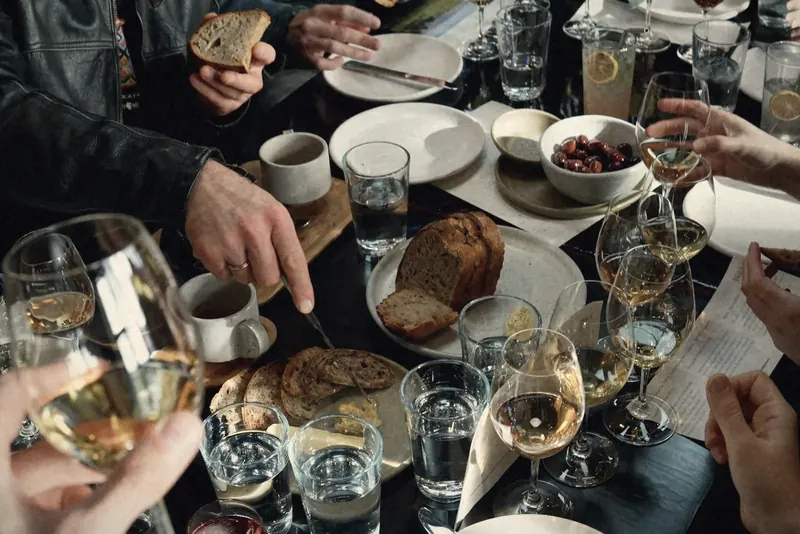
A vinaigrette, a slice of salami or a chili pepper does nothing to the wine itself. It changes the mouth that tastes it. Some of these effects have been measured in the lab, others come down to custom.
Every bite leaves something behind: sugar, acid, salt, fat, sometimes chili. The next sip of wine is tasted through what is left.
The wine should be at least as acidic and at least as sweet as the food. Fat softens tannin, and alcohol makes chili burn harder. When a red gives fish a metallic taste, the culprit is the iron in the wine.
Your cellar tells you when to open each bottle
Scan the label: Caviste files the bottle, works out its drinking window and tells you when it reaches its peak. Free up to 30 wines.


Think structure before aromas
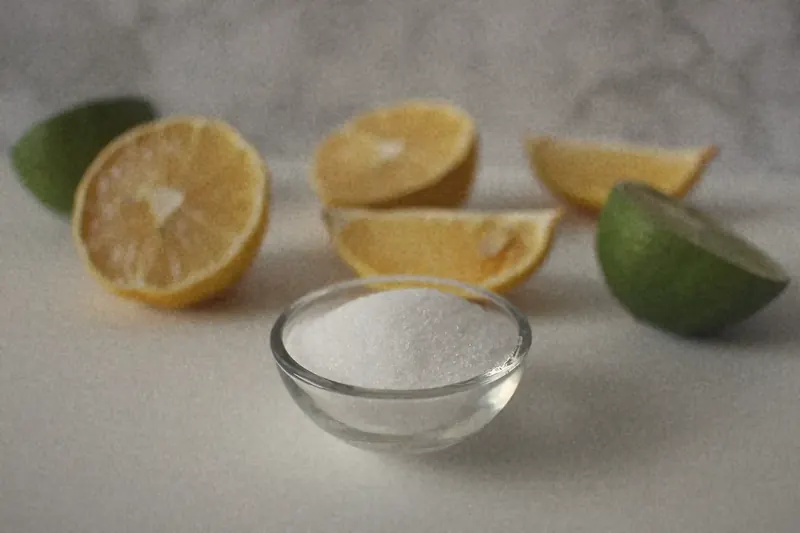
Bruce Zoecklein of Virginia Tech demonstrates it with a simple exercise. After a piece of lemon, a wine tastes sweeter; after a little sugar, the same wine turns thin and sour. So before thinking about aromas, think about structure: acidity, sugar, tannin, alcohol, fat and salt.
What each flavor in the dish does to the wine
| In the dish | Effect on the wine | What works |
|---|---|---|
| Acidity | wine tastes flat | a wine at least as crisp |
| Fat | less astringency | tannic red, crisp white |
| Sugar | dry wine tastes more acidic and bitter | a wine at least as sweet |
| Salt | less bitterness | crisp, low-tannin or sweet wine |
| Chili | burn amplified by alcohol | low alcohol, low tannin, a touch of sugar |
| Umami | disputed, never tested on wine | add salt or lemon to the dish |
| Fish, seafood | metallic taste with some wines | white, or a light red |
Acidic food needs a crisp wine
Acidity in the food makes the wine taste less acidic than it is. Wine Folly turns this into a simple rule: the wine needs at least as much acidity as the food. A vinaigrette flattens a round, oaky chardonnay, while a crisp wine stands up to it.
Fat softens tannin
This is the best established effect. A fatty bite between two sips of red reduces astringency, and does it better than rinsing with water, as Paul Breslin's team showed in 2012. In Bordeaux, another team found the same effect with oils in 2021. The classic match of a tannic red with red meat rests on this.
With dessert, the wine must be at least as sweet
A sweet bite makes a dry wine taste more acidic and more bitter, the SAQ (Quebec's liquor board) sums up. A brut sparkling wine tastes thin next to a strawberry tart, and a dry red turns harsh with chocolate cake. Our pairing guide has ideas dessert by dessert.
Salt helps, up to a point
Salt suppresses bitterness (Breslin and Beauchamp, Nature, 1997), so a well-seasoned dish makes wine friendlier. When salt takes over, as in dry-cured sausage or anchovies, go for a low-tannin wine that is crisp or slightly sweet.
With chili, alcohol burns more
Chili and ethanol trigger the same pain receptor, TRPV1 (Trevisani and colleagues, 2002). Look for a wine with moderate alcohol, little tannin and a little sugar (over 4 g per liter, according to the SAQ). See wine with spicy food.
Why red wine makes fish taste metallic
In 2009, a Japanese team led by Tamura tasted 38 reds and 26 whites with dried scallops. The fishy aftertaste tracked the iron content of the wine. A red low in iron can therefore go with fish.
What about umami?
Tim Hanni argues that a dish rich in umami makes wine taste harder. Nobody has tested it on wine.
Match the sauce, not the meat
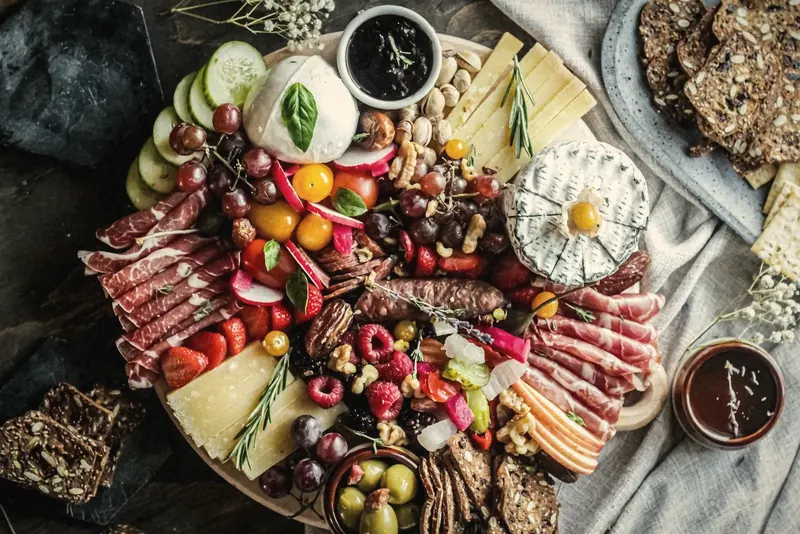
Chicken with lemon, with cream or in a tomato and pepper stew calls for different wines, because the sauce brings the acidity, the fat and the spice, Wine Folly points out. A tomato sauce wants acidity. A cream sauce wants a full-bodied or crisp white.
Similar or contrasting
Both work. You can match like with like, a creamy chardonnay with a béchamel, or go for contrast: a sweet wine against a salty cheese, a sparkling wine against fried food. A regional pairing, such as choucroute with riesling, is a good place to start, even though no study has compared it with the alternatives.
Four foods that make pairing harder
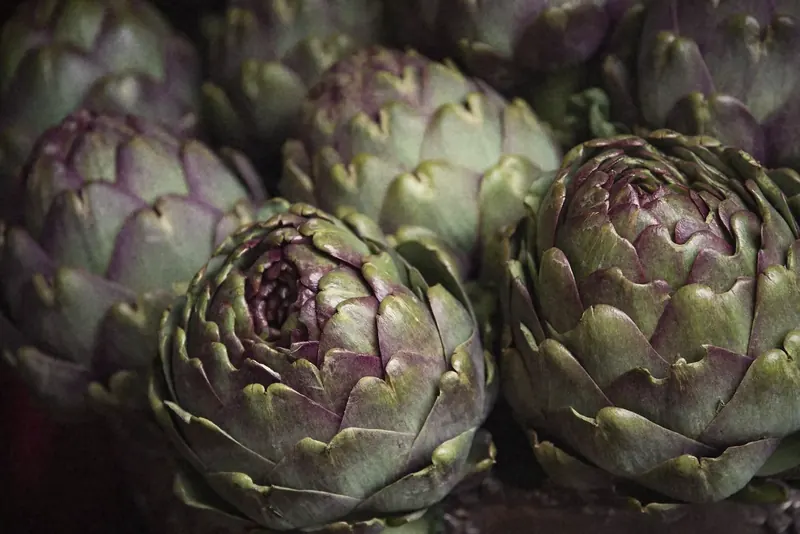
- Artichoke makes whatever you drink next taste sweet (Bartoshuk, 1972), which Cook's Illustrated confirmed. Choose a very crisp dry white, and take a sip of water before the wine.
- Asparagus is less difficult than its reputation, according to Natasha Hughes, who suggests a grassy sauvignon blanc.
- For eggs, Fiona Beckett and Natasha Hughes recommend a dry sparkling wine.
- With chocolate, go for a fortified sweet wine, like the Maury the SAQ mentions (see wine and chocolate).
Avoid the clash rather than chase the perfect match
These studies use small panels, and everyone perceives taste differently. Their main use is predicting what will go wrong. The sommelier in Caviste works the same way: you describe the menu, and it picks from the bottles you have in your cellar.
Frequently asked questions
Can you drink red wine with fish?
Yes, if it is light and low in tannin. The metallic taste comes from the iron in the wine, not from its color. With raw shellfish, a crisp white is the safer choice.
What wine goes with spicy food?
A wine low in alcohol and tannin, with a little residual sugar: an off-dry riesling, a rosé, a light and fruity red.
Why does white wine often go better with cheese?
The salt and fat in cheese clash with some tannins. Our article on wine and cheese goes through it cheese family by cheese family.
Caviste, on your phone and on your computer
Scan the label, your cellar fills itself in and tells you when to open each bottle.