Why white wine often beats red with cheese
By Alexandre Rabottin, founder of Caviste. Published November 27, 2026.
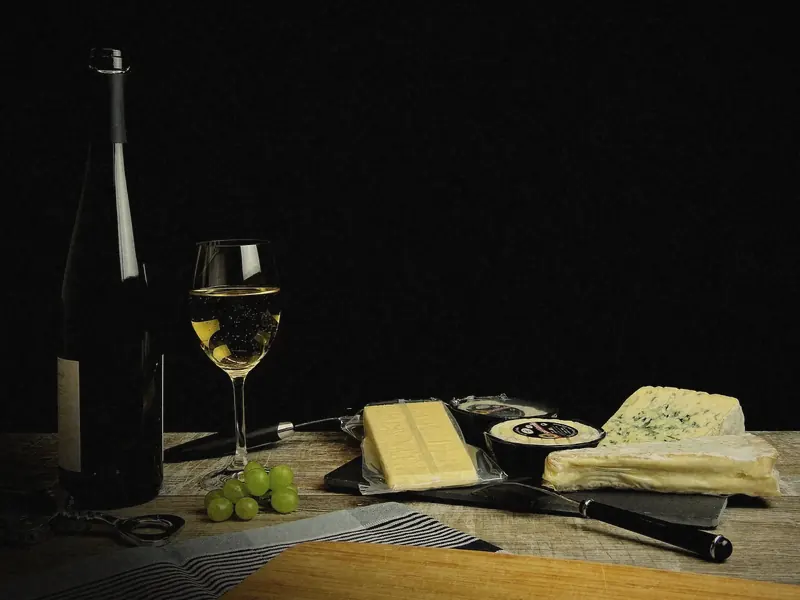
Red wine with the cheese board is a habit. The researchers who measured what cheese does to wine tend to recommend a dry white instead.
Research labs have had people taste wines on their own, then after a bite of cheese, and measured what changed. Their results explain why Sancerre works with a Crottin de Chavignol, and why a big tannic red is a gamble.
Cheese dulls most of what you taste in wine, astringency, acidity and oak included. It softens a tannic red, but it also wipes out part of it. The Dijon researchers therefore recommend dry whites as the safest bet, though nothing forbids a red.
Your cellar tells you when to open each bottle
Scan the label: Caviste files the bottle, works out its drinking window and tells you when it reaches its peak. Free up to 30 wines.


Cheese turns the volume down on wine
In 2006, at the University of California, Davis, Madrigal-Galan and Heymann had a panel taste eight reds, first alone and then after cheese. Astringency and oaky aromas dropped clearly. Only one aroma went up: butter, which came from the cheese.
Dry white is the safest choice
In Dijon in 2016, with a Madiran, the most tannic wine in the test, every cheese shortened the time astringency and acidity dominated the palate (Galmarini and colleagues). The summary published by INRA, France's national agricultural research institute (2017, about a hundred participants), concludes that cheeses go better with dry whites than with reds. In its trials, cheese almost always made the wine more pleasant. Wine barely changed the cheese.
In 2018 the same team showed that acidity, bitterness and astringency in reds are almost the only sensations that lower enjoyment. With a white, researcher Mara Galmarini told NPR, "you have less risk."
Fat softens tannin and mutes aroma
According to the Davis researchers, a film of fat comes between the tannins and your saliva, and fat and astringency work against each other (Current Biology, 2012). So cheese softens a tannic red, at the cost of some of its aromas. A dry white has no tannin to lose. The mechanisms are covered in the principles of food and wine pairing.
Red still has its place
An Australian study from 2009, with 46 consumers, even found red slightly more versatile than white. Cheddar and Gruyère were the easiest cheeses to match, while blue cheese and bloomy rinds overpowered the wines.
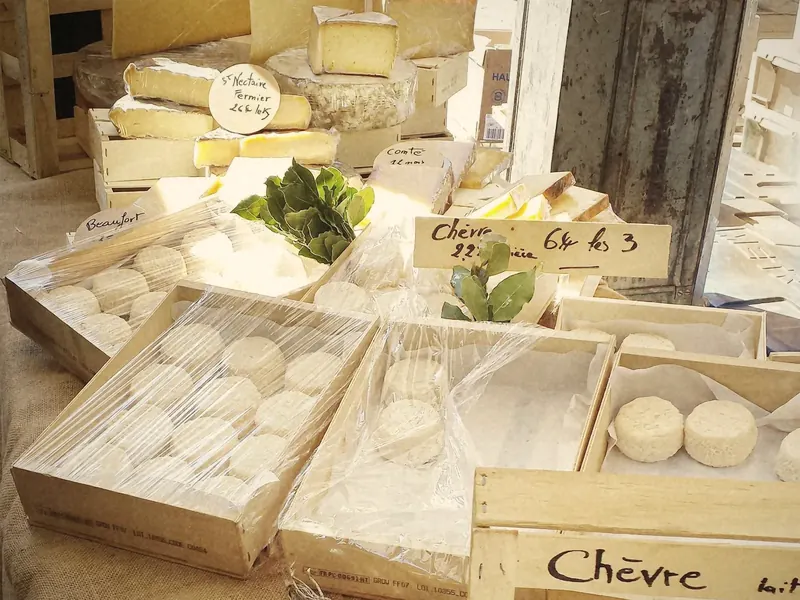
Which wine for each family of cheese?
The French dairy industry sorts its cheeses by how they are made, which sets their texture, saltiness and intensity.
| Family | Examples | What matters | Wines to try |
|---|---|---|---|
| Fresh cheeses | brocciu, faisselle, brousse | milky, light | light wines, never powerful ones |
| Goat cheeses | Crottin de Chavignol, Selles-sur-Cher, Pélardon | acidity, more intense as they dry | Sauvignon Blanc (Sancerre), Chenin Blanc, Champagne |
| Bloomy rind | Brie de Meaux, Camembert, Chaource | ripeness varies widely | sparkling wines, Chablis, light reds |
| Washed rind | Époisses, Munster, Maroilles, Mont d'Or | strong smell, soft and runny | Gewurztraminer, Pinot Gris, Burgundy |
| Pressed, uncooked | Saint-Nectaire, Cantal, Ossau-Iraty, Reblochon | hazelnut, hay, firm texture | supple reds, amontillado (sheep's milk) |
| Pressed, cooked | Comté, Beaufort, Abondance | aromas that build with aging | Jura wines, Savoie whites, Champagne |
| Blue | Roquefort, Fourme d'Ambert, Bleu d'Auvergne | salt, bite, richness | sweet wines, vins doux naturels, low-tannin reds |
Families from the CNIEL, the French dairy board; pairings from the PDO cheese profiles and Emma Young's guide in Decanter. These are customary pairings, none of them tested in a lab.
Goat cheese and Sancerre
The official profile of Crottin de Chavignol suggests a white Sancerre, and Emma Young explains in her Decanter guide that a dense goat cheese calls for a high-acid white.
When Camembert is overripe
She ranks bloomy rinds as the hardest cheeses to pair. Once a cheese smells of ammonia, it spoils almost any wine. The bubbles of a sparkling wine often hold up.
Munster with an Alsace wine
The smell of a Munster or an Époisses can put you off, yet the same guide counts them among the easy cheeses, with a Gewurztraminer or a Pinot Gris from Alsace.
Comté and Jura wines
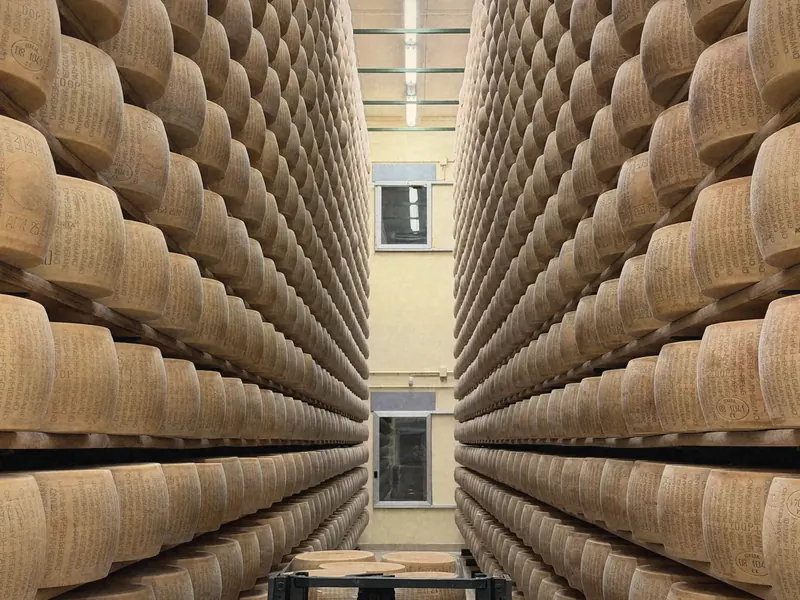
Its PDO profile puts Jura wines first. With vin jaune, the pairing works on likeness: hazelnut in the cheese, walnut in the wine. A young Comté is better with a simpler white.
A sweet wine or a Gamay for blue cheese
The Roquefort profile suggests a sweet wine, a port or a Banyuls. With a Sauternes, the sugar answers the salt. For a Fourme d'Ambert, Emma Young prefers a low-tannin red such as Gamay.
Putting the board together
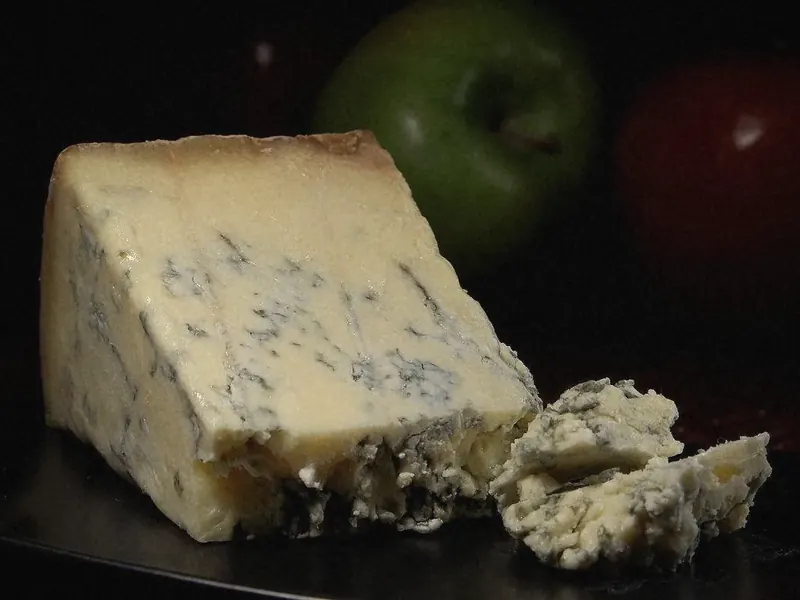
If one wine has to cover the whole board, a dry white or a sparkling wine is less risky than a tannic red. Take the cheeses out 45 to 60 minutes ahead and serve them from mildest to strongest, as Decanter advises. Taste your best red on its own first, since cheese erases some of its aromas (see what order to serve wines in).
See also our pages on raclette, cheese fondue and which wine with cheese. If you keep your cellar in Caviste, its sommelier picks these pairings from your own bottles and tells you which ones are at their peak.
Frequently asked questions
What wine goes with a cheese board?
A crisp dry white, or a sparkling wine. That is what the Dijon researchers recommend when a single wine has to cover the whole board.
Can you serve red wine with cheese?
Yes, if it is supple, fruity and low in tannin, ideally with pressed cheeses (tommes, Cantal, Saint-Nectaire) or some washed-rind cheeses.
What wine goes with Roquefort?
A sweet wine such as Sauternes, or a Banyuls. The Dijon study shows, though, that Roquefort dulls the aromas of a sweet wine, so the pairing works through contrast rather than showing off the wine.
Caviste, on your phone and on your computer
Scan the label, your cellar fills itself in and tells you when to open each bottle.